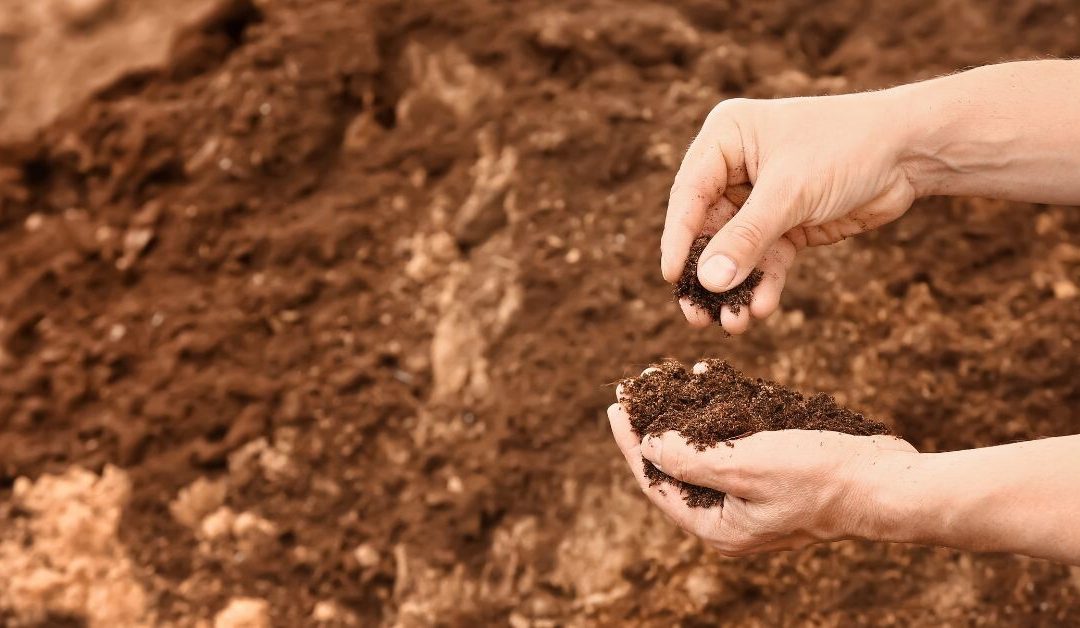
Soil testing is a crucial step before any excavation project. Here’s why it’s important and how it benefits construction projects.
1. Determines Soil Composition
Soil testing provides detailed information about the composition of the soil, including the presence of sand, clay, silt, and organic matter. Understanding soil composition is essential for planning excavation and construction, as it affects stability and drainage.
2. Identifies Potential Issues
Soil testing can reveal potential issues such as contamination, high water tables, or soil that is too loose or compacted for building. Identifying these issues early allows for proper mitigation strategies, preventing costly problems down the line.
3. Informs Foundation Design
The results of soil tests inform the design of foundations and other structural elements. Engineers can design foundations that are appropriate for the soil conditions, ensuring the stability and safety of the building.
4. Ensures Compliance with Regulations
Many local and national building codes require soil testing as part of the construction permitting process. Conducting soil tests ensures compliance with these regulations and helps avoid legal complications and delays in the project.
5. Optimizes Construction Techniques
Knowing the soil characteristics allows for the optimization of construction techniques. For example, certain types of soil may require specific excavation methods, compaction techniques, or drainage solutions to ensure a successful build.
Conclusion
Soil testing is essential before excavation as it determines soil composition, identifies potential issues, informs foundation design, ensures compliance with regulations, and optimizes construction techniques. Investing in thorough soil testing helps ensure the success and safety of construction projects.
Recent Comments